
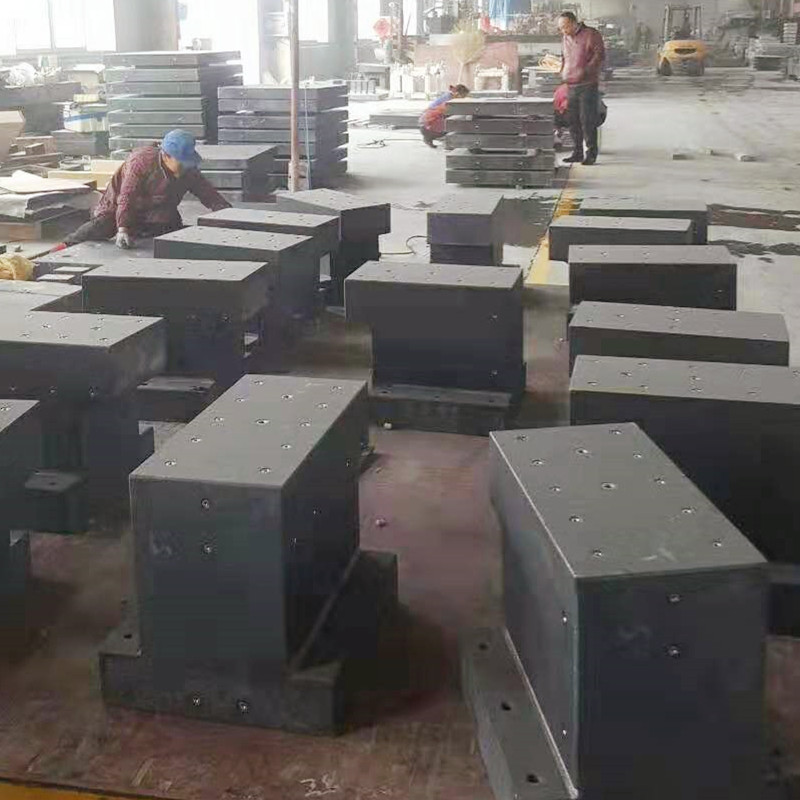
mirror sheets for sale
Replacing Water Cut-off Valves A Comprehensive Guide Water cut-off valves are essential components in any plumbing system. They are designed to stop the flow of water in pipes, allowing for maintenance and repairs without the need to drain the entire system. Over time, these valves can wear out or malfunction, leading to leaks or water supply issues. Replacing a worn or faulty cut-off valve is crucial for maintaining the integrity of your plumbing system. This article will guide you through understanding the importance of water cut-off valves, recognizing signs that they need replacement, and providing a step-by-step process for the replacement. Importance of Water Cut-off Valves Water cut-off valves serve several critical functions in a building's plumbing system. Primarily, they facilitate maintenance by allowing you to isolate sections of the plumbing without shutting off the main water supply. This is particularly important in larger properties where shutting off water can affect multiple fixtures. Additionally, they help in preventing water damage during emergencies or unexpected leaks. By allowing swift action, such as shutting off the water supply to a damaged pipe, cut-off valves play a crucial role in protecting your home from extensive damage and costly repairs. Signs You Need to Replace Your Water Cut-off Valve Identifying when a water cut-off valve needs to be replaced is essential. Here are some common signs to look for 1. Leaking Water If you notice water pooling around the valve or dripping from the valve itself, it is often a sign of wear and can indicate that the valve needs replacing. 2. Difficult to Operate If turning the valve is challenging or it doesn’t close completely, it might be damaged internally and could require replacement. 3. Corrosion or Rust Inspect the valve for signs of corrosion or rust. These can weaken the valve and lead to failure. 4. Unusual Noise Any hissing or whistling sounds coming from the valve or pipe can indicate pressure or flow issues, which may suggest that the valve is failing. 5. Old Age If your valve is significantly outdated, it may be wise to replace it outright, even if there are no immediate signs of failure. Steps to Replace a Water Cut-off Valve Replacing a water cut-off valve may seem daunting at first, but with the right tools and a little know-how, you can tackle this project yourself. Here’s a step-by-step guide replacing water cut off valves Tools and Materials Needed - Adjustable wrench - Pipe wrench - Screwdriver - Replacement valve (ensure it’s compatible with your plumbing) - Teflon tape - Bucket or towels (to catch any leaking water) Instructions 1. Turn off the Main Water Supply Before starting, ensure that the main water supply to your home is completely turned off. 2. Drain the Pipes Open faucets near the valve to drain any remaining water from the pipes. 3. Remove the Old Valve Using the adjustable wrench, loosen the nuts connecting the old valve to the pipes. Carefully remove the valve. Be prepared for some residual water to leak out into the bucket or towels. 4. Clean the Pipe Ends Once the old valve is removed, clean the ends of the pipes to remove any debris or old plumbing tape. 5. Install the New Valve Wrap Teflon tape around the threads of the new valve to ensure a watertight seal. Position the new valve onto the pipes and tighten it using the pipe wrench. Be careful not to overtighten, as this could damage the pipes. 6. Check for Leaks Turn on the main water supply and check for any leaks around the newly installed valve. If leaks are present, tighten the connections slightly, but avoid overtightening. 7. Test the Valve Finally, turn the valve on and off a few times to ensure it operates correctly and that there are no leaks. Conclusion Replacing a water cut-off valve is an important home maintenance task that can help prevent water damage and ensure your plumbing operates efficiently. By recognizing the signs of a failing valve and following the step-by-step replacement process, homeowners can take control of their plumbing systems and enjoy peace of mind. Remember, when in doubt, consulting with a professional plumber is always a wise choice. Investing time and effort into maintaining your plumbing can save you significant costs in the long run.
about
mirror sheets for sale
The Gauge Pin Class Precision Engineering at its Finest In the realm of precision engineering and manufacturing, the gauge pin class holds a significant position. These seemingly insignificant tools play a pivotal role in ensuring accuracy and consistency in various industrial processes. The term gauge pin refers to a cylindrical rod or pin used as a standard for measuring dimensions, particularly in the calibration of gauges and fixtures. Gauge pins are classified into different classes based on their tolerance levels, with each class catering to specific industry requirements. The classification system is crucial as it guarantees that the pins meet stringent standards for dimensional stability, roundness, and surface finish. This system ensures that the pins can accurately measure and maintain the quality of manufactured components. The most common gauge pin classes include Class 0, Class 1, Class 2, and Class 3. Class 0 pins, also known as 'extra fine' or 'super precision,' have the tightest tolerances and are typically used in applications where absolute precision is paramount, such as in aerospace and medical device manufacturing. On the other hand, Class 3 pins, with relatively looser tolerances, are more suitable for general-purpose measurements. The production process of gauge pins is meticulous and involves high-precision machining techniques. Materials like hardened steel, stainless steel, or carbide are commonly used due to their durability and resistance to wear Materials like hardened steel, stainless steel, or carbide are commonly used due to their durability and resistance to wear Materials like hardened steel, stainless steel, or carbide are commonly used due to their durability and resistance to wear Materials like hardened steel, stainless steel, or carbide are commonly used due to their durability and resistance to wear gauge pin class . Each pin undergoes rigorous inspection and testing, including dimensional checks, hardness tests, and visual inspections, to ensure they fall within the specified class parameters. The importance of gauge pin classes extends beyond the manufacturing floor. They are vital in maintaining quality control standards, preventing costly errors, and ensuring product reliability. Engineers and technicians rely on these pins to verify the accuracy of machinery, tools, and parts, making them indispensable in industries such as automotive, aerospace, and electronics. In conclusion, the gauge pin class system is a testament to the significance of precision in modern manufacturing. It underscores the need for accurate measurements and consistent quality, fostering trust in the products we use daily. From the smallest components in a smartphone to the intricate mechanisms of an aircraft, gauge pins serve as silent guardians of precision, silently ensuring that every detail aligns perfectly. Their role might be unseen, but their impact is undeniable, making them a cornerstone of engineering excellence.
-

High quality industrial productsagement

High quality industrial products
View Details -

Meet the diverse needs of customers

Meet the diverse needs of customers
View Details -

Strict quality control

Strict quality control
View Details -

Top raw materials

Top raw materials
View Details -

Trusted supplier

Trusted supplier
View Details
Our application


news and information
Wood Frame Truss Nail Plate Connection Engineering and Installation Essentials
The Significance of Wood Frame Truss Nail Plates in Construction In the realm of construction and e
verschillende soorten regelkleppen en hun toepassingen
Verschillende Soorten Controlekranen en Hun Toepassingen Controlekranen zijn essentiële componenten

Wholesale Suppliers for High-Quality Ball Valves in Various Sizes and Materials
ball valves wholesale .
 English